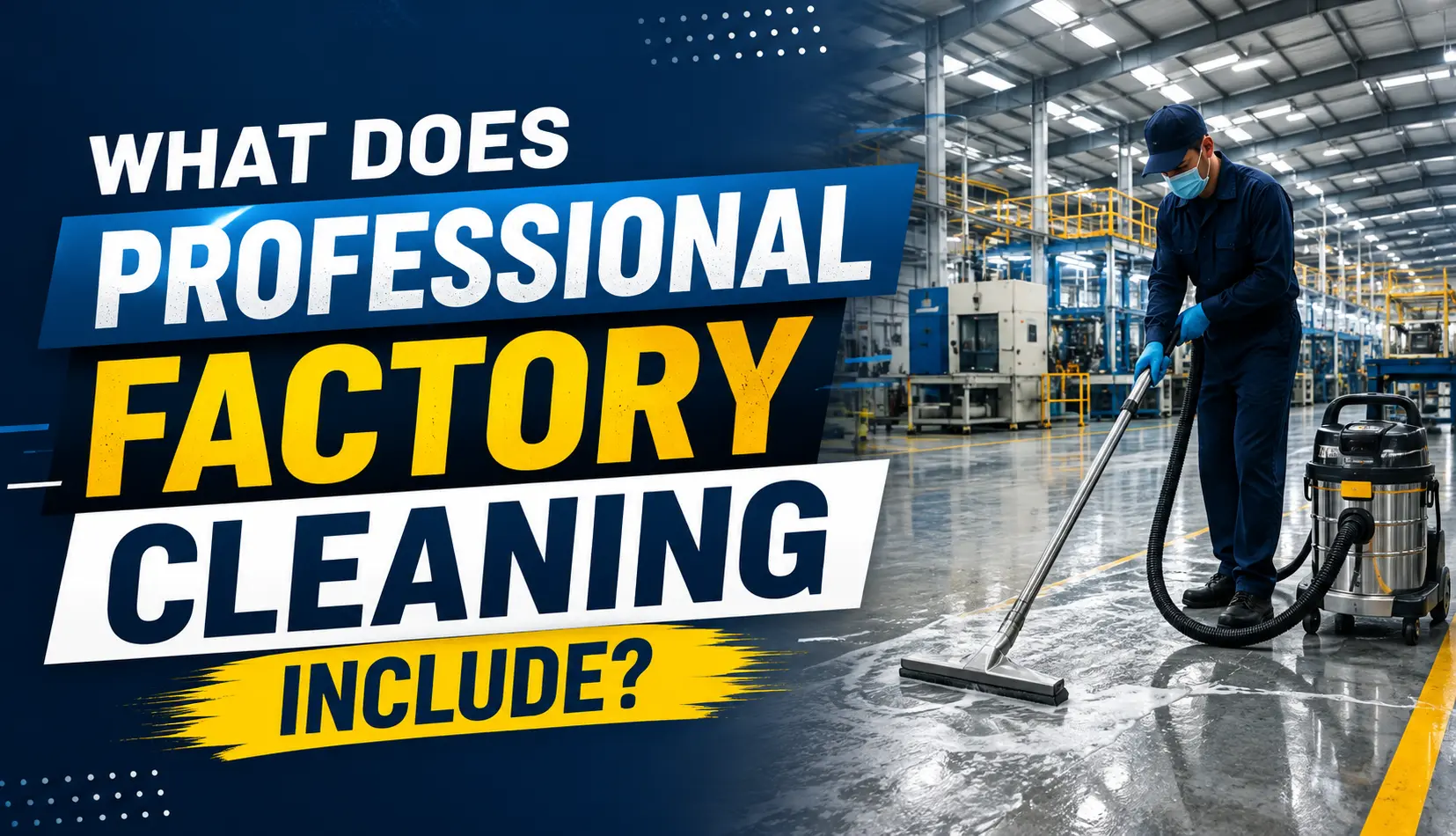
Factories are busy places. Workers move around, machines operate throughout the day, materials are stored and products are prepared for delivery. With so much activity, dirt, dust, oil and other waste can build up quickly.
A clean factory is not only about appearance. Regular cleaning can help create a safer workplace, support smoother operations and provide a better environment for employees and visitors.
Professional factory cleaners follow a structured process to clean different areas of a facility. A clear factory cleaning checklist helps them cover important areas without missing routine cleaning tasks.
But what does professional factory cleaning actually include?
In this guide, we explain the main tasks that professional cleaners may include when cleaning an Australian factory.
Why Is Professional Factory Cleaning Important?
Factories can have cleaning challenges that are different from offices or retail spaces.
Industrial environments may contain:
- Dust and dirt
- Oil and grease
- Production waste
- Packaging materials
- Spills
- Machine residue
- General rubbish
- High-traffic areas
If these materials build up, they can affect workplace cleanliness and may create unnecessary hazards.
Professional cleaning helps businesses maintain a cleaner working environment. It also allows cleaning teams to follow a planned routine rather than cleaning only when an area looks dirty.
A detailed factory cleaning checklist helps cleaning staff stay organised and maintain consistent standards.
What Is Included in a Factory Cleaning Checklist?
A professional cleaning plan can vary depending on the type, size and layout of the factory.
However, most plans cover several important areas.
1. Factory Floors
Factory floors often experience heavy foot traffic and may be exposed to dust, dirt, oil and other substances.
Professional cleaners may:
- Sweep floors
- Vacuum suitable surfaces
- Mop hard floors
- Remove visible spills
- Clean corners and edges
- Remove built-up dirt
- Clean around accessible equipment
The cleaning method depends on the floor material and the type of dirt present.
Keeping floors clean can also make it easier to identify spills, damaged surfaces or other issues that need attention.
2. Machinery and Equipment Areas
Machines are an important part of factory operations, but they can collect dust and residue.
Cleaning teams can clean accessible external surfaces around machinery as part of the cleaning routine.
However, cleaners should not interfere with machinery controls or internal components unless the service specifically covers this work and the appropriate procedures are in place.
A professional factory cleaning checklist can clearly identify which machinery areas require cleaning and which areas need specialist handling.
3. High-Touch Surfaces
Employees may touch the same surfaces many times during a shift.
These can include:
- Door handles
- Handrails
- Light switches
- Control panels
- Shared equipment surfaces
- Access points
Regular cleaning of high-touch areas helps maintain better general hygiene in busy workplaces.
The frequency can depend on the number of employees, working hours and type of factory operation.
4. Break Rooms and Staff Areas
Factory employees need clean and comfortable spaces for breaks.
Professional cleaning may include:
- Tables and chairs
- Benches
- Sinks
- Kitchen surfaces
- Cupboards
- Floors
- Bins
- Common touchpoints
Staff areas should form a regular part of the factory cleaning checklist, as these spaces can become busy throughout the day.
5. Toilets and Washroom Areas
Clean washrooms are an important part of workplace maintenance.
Professional cleaners may clean and disinfect:
- Toilets
- Urinals
- Sinks
- Taps
- Mirrors
- Floors
- Cubicle surfaces
- Door handles
They may also restock agreed consumables such as toilet paper, hand soap and paper towels if this is included in the service.
6. Dust and Cobweb Removal
Dust can collect on walls, ledges, beams, corners and other less accessible areas.
A factory cleaning team can include dust removal as part of scheduled cleaning.
High-level cleaning may require specialist equipment and appropriate safety procedures. Cleaners should never take unnecessary risks when accessing elevated areas.
A well-planned factory cleaning checklist can include both regular dusting and less frequent high-level cleaning tasks.
7. Waste and Bin Management
Factories can produce large amounts of waste every day.
Cleaning teams may collect and remove general workplace rubbish from designated bins and move it to the appropriate disposal area.
Waste handling procedures should match the type of waste produced by the facility.
Special or hazardous waste may require separate handling by authorised waste management providers.
8. Spill Cleaning
Spills can happen during manufacturing and storage activities.
Oil, water, chemicals and other substances may create different cleaning requirements.
Professional cleaners can respond to suitable spills according to the site’s safety procedures.
However, hazardous chemical spills should always be managed according to the factory’s emergency and safety protocols. Cleaning staff should not handle substances outside their training or agreed responsibilities.
9. Windows, Glass and Internal Doors
Clean glass can improve visibility and help the workplace look more organised.
Depending on the service agreement, cleaners may clean:
- Internal glass
- Office windows
- Glass doors
- Partitions
- Internal frames
External windows may require separate specialist window cleaning equipment and services.
10. Offices and Administrative Areas
Many factories also have offices attached to the production area.
These spaces may need regular cleaning, including:
- Desk surfaces
- Floors
- Chairs
- Meeting tables
- Door handles
- Reception areas
- Bins
- Common touchpoints
Keeping office areas clean creates a consistent standard across the entire facility.
How Often Should a Factory Be Cleaned?
There is no single cleaning schedule for every factory.
The right frequency depends on factors such as:
- Factory size
- Number of employees
- Production activities
- Operating hours
- Type of materials handled
- Amount of dust and waste
- Foot traffic
- Workplace requirements
Some areas may need daily cleaning, while others may only need weekly, monthly or scheduled deep cleaning.
For example, factory floors and washrooms may need frequent attention, while high-level dusting may happen less often.
A flexible factory cleaning checklist allows businesses to separate daily, weekly and periodic tasks.
Daily Factory Cleaning Tasks
A daily cleaning routine may include:
- Sweeping and mopping floors
- Emptying general waste bins
- Cleaning staff areas
- Cleaning washrooms
- Wiping high-touch surfaces
- Removing visible dirt and spills
- Cleaning common areas
These tasks help maintain everyday cleanliness.
Weekly Factory Cleaning Tasks
Weekly tasks may include:
- Detailed floor cleaning
- Cleaning less-used areas
- Dusting ledges and surfaces
- Cleaning internal glass
- Deep cleaning staff areas
- Cleaning corners and hard-to-reach areas
The exact tasks can be adjusted according to the facility’s needs.
Periodic Deep Cleaning
Some cleaning tasks require more time and specialist equipment.
These may include:
- High-level dust removal
- Detailed machinery-area cleaning
- Deep floor cleaning
- Hard-to-reach areas
- Detailed wall cleaning
- Intensive washroom cleaning
Periodic cleaning can help address areas that routine daily cleaning may not fully cover.
What Makes Professional Factory Cleaning Different?
Professional factory cleaning is more structured than simply sweeping and mopping.
Experienced cleaners understand that different areas require different methods and equipment.
For example, a smooth office floor may need a different cleaning approach from an industrial concrete floor.
Professional cleaners can also work around production schedules to reduce disruption.
They follow agreed procedures and use suitable cleaning equipment for the job.
Most importantly, a professional factory cleaning checklist provides a clear routine that helps cleaners stay consistent.
How Businesses Can Prepare for Professional Cleaning
Businesses can make the cleaning process easier by providing cleaners with clear information.
Before the service begins, discuss:
- Factory operating hours
- Restricted areas
- Equipment that needs special care
- Waste disposal procedures
- High-priority areas
- Cleaning frequency
- Access requirements
- Safety procedures
Clear communication helps the cleaning team understand what the business expects.
How to Choose a Factory Cleaning Service
When selecting a professional cleaning company, look for a provider with experience in commercial or industrial environments.
Ask about:
- Cleaning methods
- Staff training
- Insurance
- Cleaning equipment
- Service frequency
- Safety procedures
- Custom cleaning plans
- Quality checks
A good provider should also be willing to tailor the factory cleaning checklist to the specific needs of your facility.
Final Thoughts
Professional factory cleaning covers much more than basic floor cleaning. It can include floors, machinery areas, staff rooms, washrooms, waste areas, high-touch surfaces, offices, glass and scheduled deep-cleaning tasks.
Every factory has different cleaning needs, so the best approach is to create a cleaning plan around the facility’s operations.
A detailed factory cleaning checklist can help cleaners stay organised, maintain consistent standards and make sure important areas receive regular attention.
For businesses looking for dependable commercial cleaning support, Highview Commercial Cleaning can help develop a practical cleaning routine suited to the needs of your facility.
A clean factory can create a better environment for employees and visitors while helping businesses maintain an organised workplace.
If you need reliable factory cleaning Melbourne services, speak with a professional commercial cleaning team about your facility, cleaning requirements and preferred schedule.
A tailored cleaning plan can help you keep your factory cleaner, safer and ready for everyday operations.